
Vedio link:
核环境破坏水对躯干的威害与潜在性的的隐患
举办人:用户,在这是红色江东《福岛核污染破坏水专题会》深度访谈对战面,我是举办人雨歌。
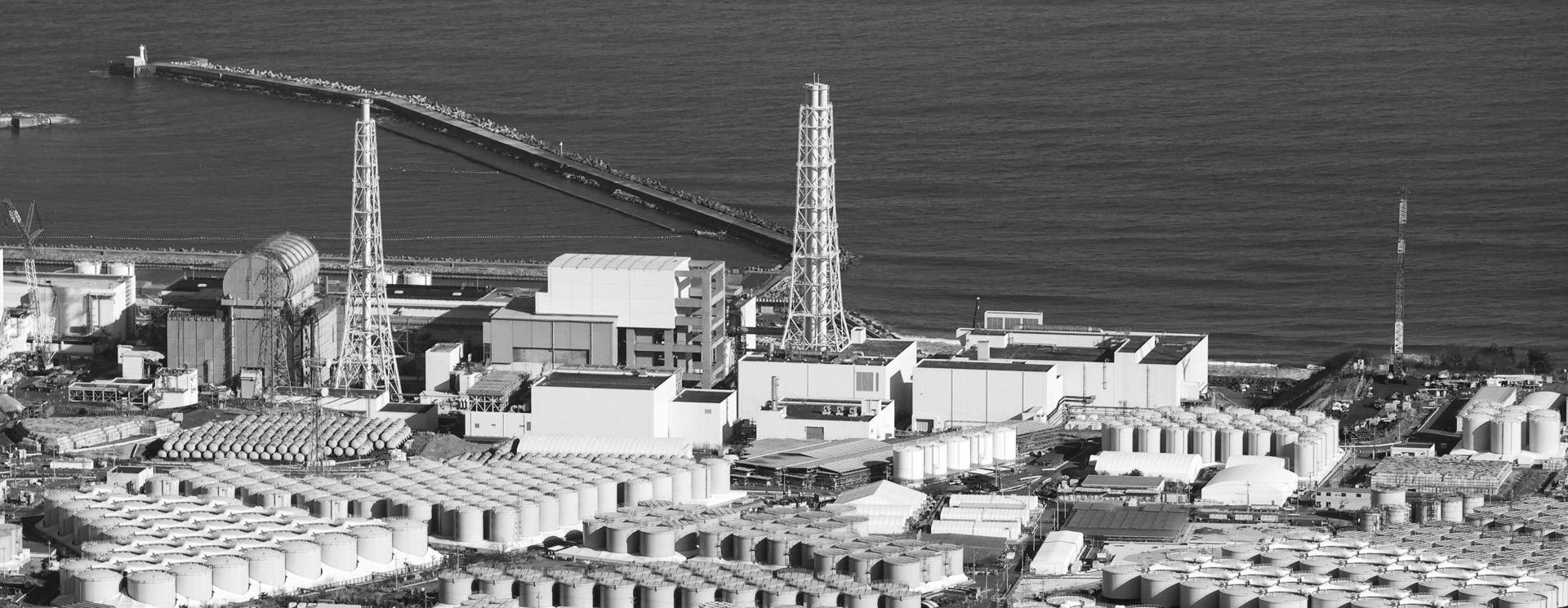
福岛核污染水是福岛核电站发生事故后,为冷却熔毁的堆芯注入海水而产生的。2021年4月,日本政府正式决定将福岛第一核电站核污染水经过滤并稀释后排放入海。此决定一出,就遭到了国际社会的强烈反对。核污染水排海一事为何会引起全社会的广泛关注?到底存在哪些危害呢?今天2025世俱杯官网 面对面访谈2025世俱杯官网公众环境关注中心方应君主任。
方应君:东南亚国立东南亚氧分子力钻研开拓平台钻研员天野光在做记者站现场采访时要,福岛核被影响水追根朔源是出自核锅炉燃料油沉渣,沉渣中含1000好几种放射学学性核素。他们核锅炉燃料油沉渣与水了解后非常多会混溶水面,也即是说福岛核被影响水面的放射学学性核素将有1000好几种。
成都高中蔓延线线生物学与安全防护理工大学客座教授王殳凹表明一些蔓延线线性核素,因量比较少的比活度和蔓延线线性活度又低,监测是一定困境的,并且一定会面临混用的蔓延线线性核素的电磁干扰,诸如镎237,其半衰期216万年,蔓延线线性很低监测一定的困境,但很低的量渗透性又至关强。天野光也曾提过核油料渣子含有几十千克碲,其渗透性跟氰化钾相持不下左右,但俄罗斯东电与原子核力规制常务专委会均未谈到这样核放射学性化学元素。
就近几年我认为,全球性公共目光的放射线性物质性核素所明确责任的只能64种,更具氚、碳14、钴60和锶90等。此类放射线性物质性核素一方面半衰期较长,且非常更具三致性,有毒、致癌、致突变的。
就比如氚的半衰期12.两年、且也容易在人身上内蓄积,会在防御反应身上诱发放射学的危害;碳14的半衰期为5370年,在鱼身上的生理性浓硫酸浓度能够是氚的30万倍,并就能够迈入全部海洋生物身上,能够会的危害人工的DNA。
钴60的半衰期是5.22年,但在水底岩浆岩物中的含有盐浓度则是氚的20万倍,属高毒副作用核素对周身有反应。
锶90的半衰期为28.79年,被世纪公共卫生团队涉及那类至癌物申报单,易致癌症。
铯137的半衰期为28.79年,会限制出境于骨头和肌肉群组建中,若想造成的软组建淋巴肿瘤与癌病,如子宫癌、膀胱癌等。
组持人:那么既然核严重污染硫酸铜溶液有非常多的对人体细胞损害的牵扯性核素,日本的中央政府有无有遵循合理的保障措施采取安全卫生治疗什么时间?治疗成果怎样?
方应君:202半年4月,日本队东电称核水感染水在进行排放前,要用“多核素祛除专用装备”来整理核水感染泥里的放射学性核素,但现场上该新技术的旺盛期度和管用性并并都没有根据第一方评定或证书,整理的数量这样一来这般不可估量、材料这样一来这般较为复杂的核水感染水并都没有先例,其长久的管用性也存疑。据知晓,在201四年-2023年时,该专用装备就已出现了过8次意外,但这套专用装备却还是要不断用30年。
国际金电子层能系统曾在20多年的《福岛第一点核电站站站意外》评估报告中说明“这核的环保话题水经治理 ,以清理除氚之下的牵扯性核素,氚是尚未清理的。”伍兹霍尔海底学习所的海底电化学家布塞斯勒曾在2023年于《有效》杂志社上刊出的科学散文称,“不仅氚之下,治理 后的核的环保话题水残渣的牵扯性物资还也包括碳14、钴60和锶90。”日方近年6月发布2025世俱杯官网 的参数表现,经多核素清理主设备治理 后的核的环保话题水仍有近70%不及格,也说是说福岛核电站站站现在在家中存储的120万吨左右核的环保话题水超出90万吨左右是有着为严重话题的。
如此,福岛核电厂站的130一百多万吨核被污染的水否则排海,这样的残余的的牵扯性核素就会有随洋流蔓延并构成海洋工作环境生物生物富集效果,将双倍扩大工作工作环境中的牵扯性核素总数,给全球各地的海洋工作环境生态经济工作工作环境和全2025世俱杯官网 人类人的身体键康可能会导致不能分析的风险。
主持人:日本政府虽采取措施对福岛核污染水中放射性核素进行简单处理,但含有大量、高浓度的放射性核素残留,其中不乏半衰期长且会对人体造成损害的放射性核素。因此,日本政府执意推进核污染水排海一事,是冒天下之大不韪,是极其不负责任的一种行为。对福岛核被污染的水的事件调查发展,2025世俱杯官网 将不断留意。
核汚染水による机体への危険性と不确定的脅威
管理人:皆さん、ここは緑色江北「福島原発汚染水特集」対面インタビュー、私は司会の雨歌です。福島原発の汚染水は、问题後、溶融した福島原発の炉心を闭式冷却塔するために海を流入してできたのです。202在一年4月、泰国以政府は福島第二原子团力発電所から出る核汚染水をろ過・希釈した後、海に释放することを已正式に決定しました。この決定は国際的世界 から強い反発を受けました。核汚染水の海洋环境排出は、なぜ的世界 に広く懸念を呼び起こしたのか?その危険性とは?本日は、緑色江南公共性環境配慮センターの方応皇帝任にお話を伺います。
司会:方医生にお聞きしたいのですが、国際社会中が福島の核汚染水の海洋环境释放を懸念する事由は何でしょうか? この核汚染水にはどのような危険性があるのでしょうか? また、人体にどのような被害をもたらすのでしょうか?
方応君王任:国立探讨開発法定代表岛国氧分子力探讨開発機構の天野光探讨員は、記者団とのインタビューで、福島の核汚染水は1000種類之内の牵扯学性核種を含む核助燃剂残余的物に缘由すると述べました。これらの核助燃剂残留の多くは、水と打交道すると水に溶け出すため、福島の核汚染水に含まれる牵扯学性核種は1000種類にも及ぶ也许 性があります。
蘇州大学考研牵扯線医学界・防護系の王殳凹讲解によれば、牵扯性核種の中には、微量分析分析で比牵扯能が低く、偏铝酸根する牵扯性核種に妨害され、検出が難しいものがあると紹介しました。 例えば、半減期216万年のネプツニウム237は牵扯能が尤其に低く検出が難しいが、ごく微量分析分析でも毒副作用が強いです。天野光氏はまた、核生物质碎渣の中に几十キログラムのテルルがあり、その毒副作用は青酸カリに匹敵すると述べましたが、東京電力も水分子力規制委員会もこれらの核牵扯性属性について言及していません。
今のところ、トリチウム、炭素14、コバルト60、ストロンチウム90など、环境的に懸念されている放射性等物品性物质性核種は64種類しか確認されていません。これらの放射性等物品性物质性核種は、半減期が長いだけでなく、正常的に三原性、発がん性、催奇形性、変異原性があります。
例えば、トリチウムの半減期は12.6年で、人休に蓄積しやすく、自身に放射性線障害を引き起こします。炭素14の半減期は5,370年で、魚の生理变化的濃度はトリチウムの50,000倍に達する已经性があり、あらゆる微生物に入り込み、ヒトのDNAを損傷する已经性があります。
コバルト60の半減期は5.24年だが、水下堆積物に濃縮されたコバルト60の濃度はトリチウムの三十万倍で、猛毒の核種であり、体内に身上影響を及ぼします。
半減期28.79年のストロンチウム90は、世界里养身機関(WHO)によってクラスIの発がん性物質に任意されており、癌症を引き起こしやすいです。
セシウム137は半減期28.79年で、骨や筋肉組織に持续されるため、卵巣がんや膀胱がんなどの軟部腫瘍やがんを引き起こす应该性があります。
司会:氧分子力汚染水には人に有影响な蔓延性核種が多く含まれているため、德国地方政府は有効な伎俩で平安な処理をおこなっていましたか? また、その処理結果はどうなっていましたか?
方応皇帝任: 202半年4月、英国の東京電力は「多核種弄掉設備」を使って汚染水に含まれる射线性核種を処理してから拉出すると発表しましたが、実際にはこの技術の稳重度や有効性は3、者によって評価・認証されていません。 これほど複雑な核汚染水を更多に処理した前例はなく、長期的な有効性にも疑問が残っています。201几年から明年の間に、この提升裝置ですでに8件の人身事故が発生していると解释されているが、この提升裝置は30年間継続用到される必须があります。
国際原子团力機関(IAEA)は20多年の福島最原発安全生产事故に関する報告書の中で、「核汚染水はトリチウム范围内の有害学性核種を清除するために処理されたが、トリチウムは清除できない」と述べました。ウッズホール浮游生物研究分析所の浮游生物生物学者であるBucessler氏は、2030年に合理誌『Science』に「処理された汚染水には、トリチウムのほか、炭素14、コバルト60、ストロンチウム90などの有害学性物質が留している」とする合理論文を発表しました。明年初7月に泰国側が発表したデータでは、核汚染水は多核種清除设备で処理された後も、まだ半分近くの有害学性核種が残っています。 泰国側が明年初7月に発表したデータによると、多核種清除设备で処理した後の汚染水の70%近くがまだ基準を満たしておらず、福島原発に現在贮存されている1三十万トンの汚染水のうち90万トン上述が难往な問題を抱えていることになります。
したがって、福島原子结构力発電所からの120万トンを超える核汚染水がいったん海に释放されれば、杂质蔓延性核種は海流に乗って拡散し、动物濃縮効果を形成了になります。これは、環境中の蔓延性核種の総量を増加させ、世界级の海洋能生態系と人間の身心健康に予測没法能な害をもたらすでしょう。
司会:日本政府は福島原発の汚染水を簡易的に処理措置を講じていますが、人体に障害をもたらす半減期の長い核種を含め、依然として多くの放射性核種が高濃度で残存している。 したがって、日本政府が原発汚染水の海洋放出を推進することに固執することは、極めて無責任な行為で、世界中から非難される危険性があります。私たちは、福島の核汚染水に関するその後の進展を見守り続けます。
Hazards and Potential Threats to Human Health from Nuclear Contaminated Water
Compere: Ladies and gentlemen, this is Lvse Jiangnan "Fukushima nuclear contaminated water topic" interview face-to-face, I am the Compere Yu Ge.
Fukushima nuclear contaminated water is produced by injecting seawater to cool the melted core of the Fukushima nuclear power plant after an accident.2021 In April 2021, the Japanese government formally decided to discharge the nuclear contaminated water from the Fukushima Daiichi nuclear power plant into the sea after it had been filtered and diluted. This decision was met with strong opposition from the international community. Why has the discharge of nuclear contaminated water into the sea aroused widespread concern in society? In the end, what are the hazards? Today, we interviewed Mr. Fang Yingjun, Director of Lvse Jiangnan Public Environmental Concerned Centre.
Compere: May I ask Mr. Fang, what is the reason for the international community to be so concerned about the discharge of nuclear contaminated water from Fukushima into the sea? What are the dangers of this contaminated water? And what kind of damage will it cause to the human body?
Fang Yingjun: Mr. Amano Amano, a researcher at the National Atomic Power Research and Development Organization (NAPRDO) of Japan, said in an interview with the reporter that Fukushima's contaminated water is traced back to nuclear fuel residues, which contain more than 1,000 kinds of radionuclides. Many of these nuclear fuel residues will dissolve in water when they come into contact with it, which means that there may be as many as 1,000 radionuclides in Fukushima's contaminated water.
Professor Wang Shu’au of the School of Radiation Medicine and Protection at Soochow University said that there are some radionuclides that are difficult to detect because of their small amount than the activity and low activity, and they will also be interfered by coexisting radionuclides, such as neptunium-237, which has a half-life of 2.17 million years, and its radioactivity is very low, and it is difficult to detect it, but it is very toxic to very low quantities. Mitsuko Amano also mentioned that there are tens of kilograms of tellurium in the nuclear fuel residue, the toxicity of which is comparable to that of potassium cyanide, but neither TEPCO nor the Atomic Power Regulation Commission (APRC) has mentioned these nuclear radioactive elements.
For the time being, only 64 radionuclides of global public concern have been identified, including tritium, carbon 14, cobalt 60 and strontium 90. These radionuclides not only have long half-lives, but are also generally tritogenic, carcinogenic, teratogenic and mutagenic.
For example, tritium, with a half-life of 12.3 years and easy accumulation in the human body, can cause radiation damage in the body; carbon 14, with a half-life of 5,370 years, may have a physiological concentration of 50,000 times higher than that of tritium in fish, and can enter all living organisms, possibly damaging human DNA.
Cobalt 60 has a half-life of 5.27 years, but is enriched in seafloor sediments at 300,000 times the concentration of tritium, a highly toxic nuclide with systemic effects.
Strontium-90, with a half-life of 28.79 years, is included in the World Health Organization's list of class I carcinogens, which are susceptible to leukemia.
Cesium 137 has a half-life of 28.79 years and can remain in bone and muscle tissue, which can cause soft tissue tumors and cancers, such as ovarian and bladder cancer.
Compere: Since the nuclear contaminated water contains so many radionuclides that are harmful to human beings, has the Japanese government taken effective measures to handle it safely? What is the result of the treatment?
Fang Yingjun: In April 2021, Japan's TEPCO said that it would use "multinuclide removal equipment" to treat radionuclides in contaminated water before discharging it, but in reality, the maturity and effectiveness of this technology has not been evaluated or certified by a third party, and there is no precedent for treating such a large amount of contaminated water with such a complex composition, and its long-term effectiveness is also questionable. Its long-term effectiveness is also in doubt. It is understood that during the period 2013-2022, eight accidents have already occurred in this equipment, but this equipment will be used continuously for 30 years.
The International Atomic Energy Agency had stated in its 2015 report on the Fukushima Daiichi accident that "this nuclear contaminated water was treated to remove radionuclides other than tritium, which cannot be removed." Woods Hole Oceanographic Institution marine chemist Bucessler published a scientific article in the journal Science in 2020 that said, "In addition to tritium, the residual radioactive substances in the treated contaminated water include carbon 14, cobalt 60, and strontium 90." Data released by the Japanese side in March this year showed that the nuclear contaminated water still has nearly half of the total amount of radioactive substances in the contaminated water after being treated with the multinuclide removal equipment. Data released by the Japanese side in March this year showed that nearly 70% of the nuclear contaminated water after treatment by the multi-nuclide removal equipment still failed to meet the standard, which means that more than 900,000 tons of the 1.3 million tons of nuclear contaminated water stored in the Fukushima nuclear power plant are in serious trouble.
Therefore, once the more than 1.3 million tons of nuclear contaminated water from the Fukushima nuclear power plant is discharged into the sea, these residual radionuclides will spread with the ocean currents and form a bioconcentration effect, which will additionally increase the total amount of radionuclides in the environment and cause unpredictable hazards to the marine ecology of the whole world environment and the health of all human beings.
Compere: Although the Government of Japan has taken measures to simply treat the radionuclides in the contaminated water from Fukushima, there are large quantities of radionuclides in high concentrations, including those with a long half-life that can cause damage to the human body. Therefore, the Japanese Government's insistence on promoting the discharge of contaminated water into the sea is an extremely irresponsible act that risks universal condemnation. We will continue to pay attention to the subsequent progress of the Fukushima nuclear contaminated water.
Content source: Lvse Jiangnan WeChat public account